Dear Houston, we have a problem.
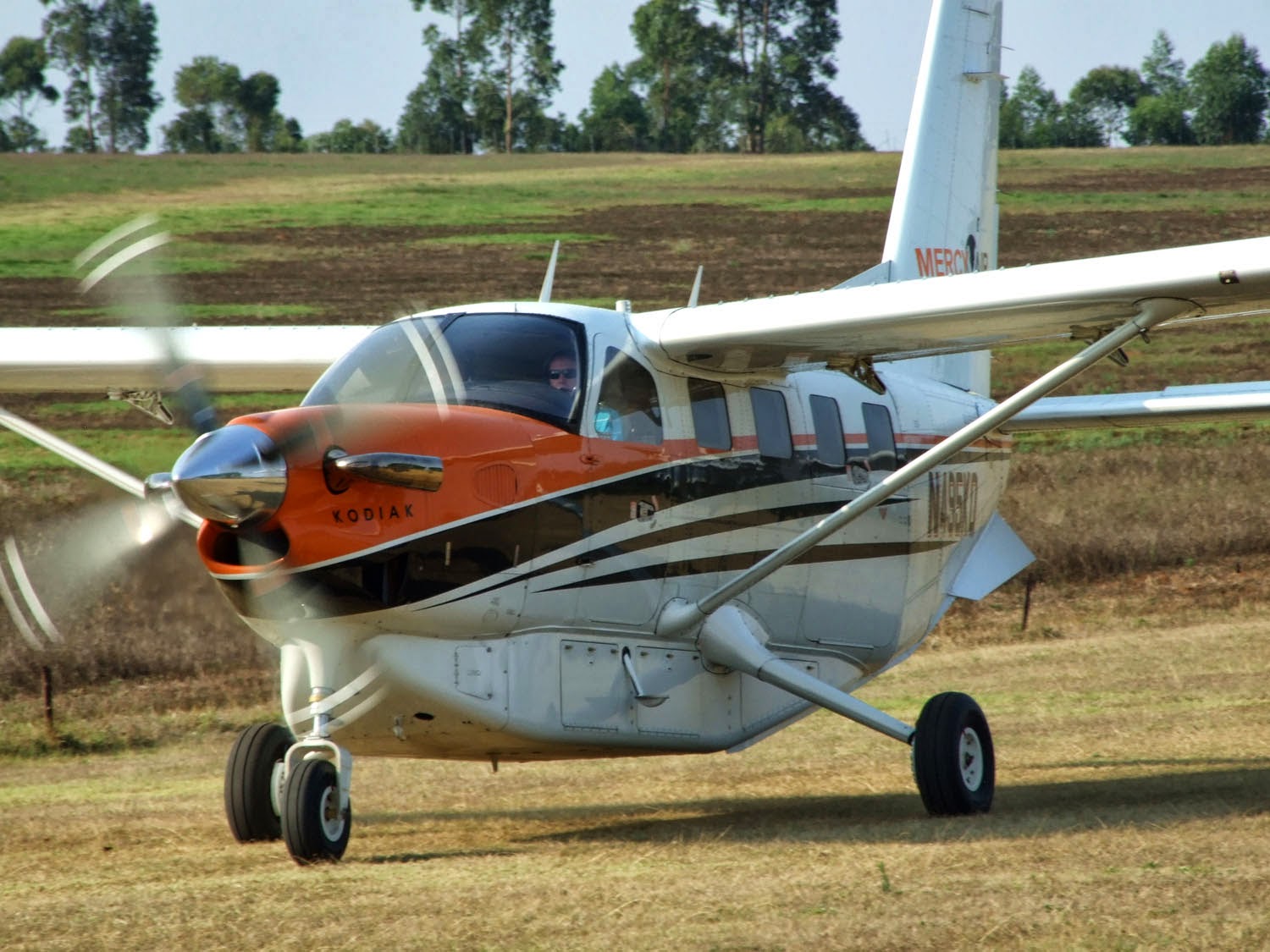
Our new plane is too big to fit in the hangar. It's getting close to the rainy season when we often get bad thunderstorms and hail which could damage our new baby.
What should we do?
Concerned aviation organisation.
White River
Of course we didn't really ask that and in reality we already knew the answer, but it was just a matter on logistics to join all the dots in order to make it happen.
There were actually two options, build a new hangar or make the existing one bigger and, as with a lot of things, money and time dictated which course we would choose.
The Kodiak had been with us for a week or two when it seems the summer rainfall pattern arrived a little too early and one day we got about 30 seconds of short, sharp hail. It did no damage but sent us into a frenzy of embalming every horizontal surface with a huge roll of bubble wrap.
Not many days after a big crane arrived and began to do what big cranes do best...
... lift things
We cut all the beams as well as pipes and wires etc and listened to the creaks and groans as strain was taken and the whole roof was raised a few metres.
After the roof was lifted supporting beams were lifted into place...
...and men with beards rushed in and welded everything together.
Some of the bearded men looked a little worried for a while...
...but seemed a lot happier when it was all over.
Now our new aircraft can relax in its modified home safe from the worries of the environmental antics formulating outside.
Mercy Air Team
24 October 2013
26 September 2013
The Eagle Has Landed
So, after a weeks worth of blog posts that basically gave a distance, a time and a handy map, we can finally include some pictures of the Kodiak on home soil.
From John:
No doubt, news of the Kodiak's arrival at Mercy Air is old news by now, but
perhaps some news on the last segments of the flight and some of the
highlights and events will be interesting for all those who have followed the
progress keenly. I last wrote while on the longest leg from Las Palmas to
Accra with a very fatigued mind and body. The lower part of the bulge of
Africa and down through Angola, depending on the season, is an area of very
large and dangerous thunderstorms every day, but we caught the day early
before any really serious weather had time to develop. The result of course
was an uneventful arrival in Accra, with a rather amusing but tedious journey
to the hotel where I slept like a baby for 9 hours.
An interesting note about the tedious, but amusing (at the expense of my
phone bill), journey to the hotel from the airport was the result of a serious bit
of haggling with a supposed 'handler' who said they would transport us to the
hotel where Paul had deployed himself the night before. The amusement
was the result of the locals, unable to find the hotel, and their method of
obtaining directions over the phone (mine) while driving, which resulted in a
bumper bashing with another vehicle. Neil and I were ready to abandon the
ride and find another taxi, when after what felt like 3 hours (1 hour actually)
we arrived and were able to shower.
Neil said farewell to me in Accra, and Paul Middleton joined me for the
remainder of the journet. Neil was looking rather jaded as we dropped him off for his flight back to
Johannesburg. The weather for the next 2 days was important and again we
had no diversions for weather enroute to Libreville which was a short hop of
about 4.5 hrs (sounds strange because a 4.5 hr flight prior to this would be
considered a long flight), and for those who are interested, included an IFR
arrival and ILS to about 1000'.
Andrew, my son, is regularly based in Libreville for his job and we used his
company contacts for accommodation and help with formalities at the airport.
This was refreshing change from the impersonal trips to and from hotels and
airports. I was beginning to think Libreville is a good stopover until I was
presented with the bill for navigation, landing and parking fees, a small
fortune (no bribes) for which I was presented with an official receipt. Despite
the fact that I knew it would not make the slightest bit of difference, I
expressed my displeasure in no uncertain terms, paid the cash and walked off a
very grumpy individual only to be told that they had no copy of my clearance,
the end result being that the official was simply too lazy to look through her
file properly. This, and an unfriendly discussion with the 'handler' in Accra
were the only sour notes for the entire trip.
The journey south through Angola was good except for minor diversions due
to some thunderstorm activity, made a little more interesting with the weather
radar suffering from vertigo. Some minor diversions and we ended up in
friendly Namibia and virtually on home ground again. Paul and I enjoyed a
comfortable night and good weather all the way home the next day.
The welcome at Mercy Air in White River was a little overwhelming as there
was a small crowd to welcome us. We did a small air to air photo sortie in the
area before landing. We taxied the aircraft up the ramp between the hangars
and as we came to a stop I suddenly had to choke back some emotion, as
the realisation hit me that not only was the journey over, but that I had, with
God's and other's help, prepared for, managed and executed the exercise
successfully and on schedule.
My reflection now after the attempt earlier this year is that God is sovereign,
as we submit to His plan, He works things out the best way. The attempt in February
to bring the Kodiak to South Africa, was not failure, but
simply another step in preparing us and our hearts for
His service. The aircraft, as a tool, has taken centre stage for
a few weeks now, but we wish to consecrate the aircraft to His
service and ourselves to serve Him with it.
John
Thank you
Mercy Air team.
![]() |
| At KMIA (Kruger Mpumalanga International Airport) to clear customs and immigration. This is only 8nm from Mercy Air and where we usually start our flights into Mozambique. |
![]() |
| Quick photo before landing. |
![]() |
| Final for 06 at the Mercy Air Farm. |
![]() |
| Landing |
![]() ![]() |
| Taxiing |
![]() |
| On the apron outside the office. |
![]() |
| Giving thanks for a safe journey. |
No doubt, news of the Kodiak's arrival at Mercy Air is old news by now, but
perhaps some news on the last segments of the flight and some of the
highlights and events will be interesting for all those who have followed the
progress keenly. I last wrote while on the longest leg from Las Palmas to
Accra with a very fatigued mind and body. The lower part of the bulge of
Africa and down through Angola, depending on the season, is an area of very
large and dangerous thunderstorms every day, but we caught the day early
before any really serious weather had time to develop. The result of course
was an uneventful arrival in Accra, with a rather amusing but tedious journey
to the hotel where I slept like a baby for 9 hours.
An interesting note about the tedious, but amusing (at the expense of my
phone bill), journey to the hotel from the airport was the result of a serious bit
of haggling with a supposed 'handler' who said they would transport us to the
hotel where Paul had deployed himself the night before. The amusement
was the result of the locals, unable to find the hotel, and their method of
obtaining directions over the phone (mine) while driving, which resulted in a
bumper bashing with another vehicle. Neil and I were ready to abandon the
ride and find another taxi, when after what felt like 3 hours (1 hour actually)
we arrived and were able to shower.
Neil said farewell to me in Accra, and Paul Middleton joined me for the
remainder of the journet. Neil was looking rather jaded as we dropped him off for his flight back to
Johannesburg. The weather for the next 2 days was important and again we
had no diversions for weather enroute to Libreville which was a short hop of
about 4.5 hrs (sounds strange because a 4.5 hr flight prior to this would be
considered a long flight), and for those who are interested, included an IFR
arrival and ILS to about 1000'.
Andrew, my son, is regularly based in Libreville for his job and we used his
company contacts for accommodation and help with formalities at the airport.
This was refreshing change from the impersonal trips to and from hotels and
airports. I was beginning to think Libreville is a good stopover until I was
presented with the bill for navigation, landing and parking fees, a small
fortune (no bribes) for which I was presented with an official receipt. Despite
the fact that I knew it would not make the slightest bit of difference, I
expressed my displeasure in no uncertain terms, paid the cash and walked off a
very grumpy individual only to be told that they had no copy of my clearance,
the end result being that the official was simply too lazy to look through her
file properly. This, and an unfriendly discussion with the 'handler' in Accra
were the only sour notes for the entire trip.
The journey south through Angola was good except for minor diversions due
to some thunderstorm activity, made a little more interesting with the weather
radar suffering from vertigo. Some minor diversions and we ended up in
friendly Namibia and virtually on home ground again. Paul and I enjoyed a
comfortable night and good weather all the way home the next day.
The welcome at Mercy Air in White River was a little overwhelming as there
was a small crowd to welcome us. We did a small air to air photo sortie in the
area before landing. We taxied the aircraft up the ramp between the hangars
and as we came to a stop I suddenly had to choke back some emotion, as
the realisation hit me that not only was the journey over, but that I had, with
God's and other's help, prepared for, managed and executed the exercise
successfully and on schedule.
My reflection now after the attempt earlier this year is that God is sovereign,
as we submit to His plan, He works things out the best way. The attempt in February
to bring the Kodiak to South Africa, was not failure, but
simply another step in preparing us and our hearts for
His service. The aircraft, as a tool, has taken centre stage for
a few weeks now, but we wish to consecrate the aircraft to His
service and ourselves to serve Him with it.
John
![]() | |||
| Just when you thought you'd seen the last map - here's one of the total route as recorded by Spidertracks. | 7800 miles, 7 days and almost 50 hours of flying. |
Mercy Air team.
Kodiak Ferry Flight - Day 7
Kodiak Ferry Flight - Day 6
Libreville, Gabon to Ondangwa, Namibia.
1260 miles (2320 km). 7h50.
Mercy Air team
1260 miles (2320 km). 7h50.
![]() |
| Visibility was pretty poor for a lot of the flight. We were either above the cloud or in thick haze. One of the highlights was flying over Luanda airport. |
![]() |
| Sunset on the ground at Ondangwa, Namibia. Fueld and ready for the next day. |
22 September 2013
Kodiak Ferry Flight - Day 5
21 September 2013
Kodiak Ferry Flight - Day 4
Canary Islands to Accra, Ghana.
1850 miles (3000 km), 10h32
A lot has happened since the last personal update from me (John),
mostly fatigue right now. I write this as we pass by Bamako shortly
after a sunrise spoiled by cloud and building weather.
1850 miles (3000 km), 10h32
Hi everybody,
A lot has happened since the last personal update from me (John),
mostly fatigue right now. I write this as we pass by Bamako shortly
after a sunrise spoiled by cloud and building weather.
I last
wrote an update on the eve of our initial Atlantic leg from St. John's to
Santa Maria. As it turned out, the weather did cooperate and the
developing system had layers of cloud and a few isolated storms, which
were not significant. The weather radar was great to have in that
situation as we could weave our way through the weather. This only
lasted about an hour and a half, otherwise we had great
weather. The endless miles of ocean was a first for me and Neil was kept
busy with the HF radio, which only seemed to work on the higher
frequencies, but we managed to have enough contact to make air traffic
control happy.
Winds have
worked in our favor mostly and our fuel endurance has been better than
expected and after numerous calculations as well as using the very fancy
computers and TV screens on board, the numbers all check out and we
have about 12.5 hrs total endurance. One thing I have learned is that winds
play a huge role in long range flying, making it essential to get
accurate wind forecasts.
Santa Maria is a very quaint and
remote island and one gets the feeling that the people have a real
advantage over the huge populations of the world encumbered by the rat
race. A short flight into Las Palmas was enjoyable after good rest,
where we refueled, hired beds and a meal at a hotel for a few hours
before setting sail again around midnight. I did not manage to get any
sleep, but I did manage to rest. Sleep deprivation and 13000 feet for
hours on end are the reasons I am fatigued right now, but we have only 3 hrs
left to run to Accra, where I hope to sleep after sending this email of
course!
We have picked up some tail winds and the winds are exactly as forecast.
I am looking forward to getting home and 3 days of sleep!
Blessings,
John
20 September 2013
Kodiak Ferry Flight - Day 3
19 September 2013
Kodiak Ferry Flight - Day 2
Kodiak Ferry Flight - Day 1
Bangor, Maine, USA to St. John's, Newfoundland, Canada.
800 miles (1300 km) and 4h 28 of flying.
If you want to follow the flight as it happens, we have a satellite tracking unit in the plane. If you click on the following link (you might also have to click on the uppermost green 'view' link also) you can find out where the aircraft is and even see it's real time track when it's flying.
https://app.spidertracks.com/home.mvc/viewuserspiders?sid=bvSRpwx5d1TjKQSx_7xK6GGOhQLNCHs4xSjFDgH9OxiFGFAhXkh56JInLGqjfx8C
If you do follow on the tracking site you would see something similar to the pictures below.
Click on any green dot and you can see height, speed and direction etc


Zoomed out to give an idea of how far is yet to go.

John wrote an update after the flight:
Hi all,
I will try to update you all after a long day.
We have had an amazing two days of beautiful sunshine and the weather has co-operated beautifully, or should I say God seems to have blessed us with great weather in which to get used to the aircraft, both for the test flying I did in the USA as well as a very low stress trip to St. John's.
I have to say that chasing around for all the paperwork and logistics leading up to the departure was rather stressful and I became somewhat pre-occupied with the details which I thought may trip us up.
We managed to get customs and immigration clearance yesterday before we left and that was a very painless experience. At breakfast this morning, we met Leon, the South African ferry pilot who lent us the survival equipment. He was a wealth of information and reminded me of the Canadian customs requirements, which I had forgotten, this turned out to be a very easy 10 minute phone call to the Canadian customs. When we landed in St. John's the customs guys were waiting on the tarmac for us, a bit of a surprise, but they were incredibly polite and helpful. They of course wanted to see all our paperwork, specifically the permission to operate the aircraft in Canadian airspace, overweight and modified.
The FBO for fuel and handling was a complete surprise to me as the woman, Sarah, was more than incredibly helpful. She bent over backwards to help us. She even found accommodation for us in a town where all the hotels are fully booked right now.
The only surprise is the North Atlantic weather. Hurricane Humberto, or rather what is left of it, is sitting mid Atlantic with a forecast to cross our path. The problem is not Humberto, but the low pressure associated with it. This has fed another huge (approximately 800 km in length) system with embedded thunderstorms and nasty stuff inside. A call to the weather briefing office in Halifax bore the bad news that the system would be right across our path tomorrow. We were advised to check again this evening and we are seeing what is looking like the system breaking up a bit. While I write this (10:30pm), Neil is calling the weather office again to find out what we are likely to face tomorrow. So right now our departure is uncertain for tomorrow.
We are in some apartment suites downtown in St Johns as the only available place. Very comfortable although not very near to the airport, but good anyway.
The flight to St. John's was very beautiful, visibility was unlimited and the view of the countryside and islands was spectacular.
We expect about 9 hours for the leg to the Azores and have almost 12 hours endurance, so we do have some reserve for diversions for weather.
Listening to Neil on the phone right now, it seems that we may have an open window in the morning, so watch Spidertracks for the next episode.
Neil is a fantastic asset with his experience in crossing the Atlantic numerous times in airliners. His weather judgement is well informed and his extensive experience really is a bonus.
Sorry, no pictures yet, as it has been a busy day and no time to download pictures.
Blessings
John
800 miles (1300 km) and 4h 28 of flying.
If you want to follow the flight as it happens, we have a satellite tracking unit in the plane. If you click on the following link (you might also have to click on the uppermost green 'view' link also) you can find out where the aircraft is and even see it's real time track when it's flying.
https://app.spidertracks.com/home.mvc/viewuserspiders?sid=bvSRpwx5d1TjKQSx_7xK6GGOhQLNCHs4xSjFDgH9OxiFGFAhXkh56JInLGqjfx8C
If you do follow on the tracking site you would see something similar to the pictures below.
Click on any green dot and you can see height, speed and direction etc


Zoomed out to give an idea of how far is yet to go.

John wrote an update after the flight:
Hi all,
I will try to update you all after a long day.
We have had an amazing two days of beautiful sunshine and the weather has co-operated beautifully, or should I say God seems to have blessed us with great weather in which to get used to the aircraft, both for the test flying I did in the USA as well as a very low stress trip to St. John's.
I have to say that chasing around for all the paperwork and logistics leading up to the departure was rather stressful and I became somewhat pre-occupied with the details which I thought may trip us up.
We managed to get customs and immigration clearance yesterday before we left and that was a very painless experience. At breakfast this morning, we met Leon, the South African ferry pilot who lent us the survival equipment. He was a wealth of information and reminded me of the Canadian customs requirements, which I had forgotten, this turned out to be a very easy 10 minute phone call to the Canadian customs. When we landed in St. John's the customs guys were waiting on the tarmac for us, a bit of a surprise, but they were incredibly polite and helpful. They of course wanted to see all our paperwork, specifically the permission to operate the aircraft in Canadian airspace, overweight and modified.
The FBO for fuel and handling was a complete surprise to me as the woman, Sarah, was more than incredibly helpful. She bent over backwards to help us. She even found accommodation for us in a town where all the hotels are fully booked right now.
The only surprise is the North Atlantic weather. Hurricane Humberto, or rather what is left of it, is sitting mid Atlantic with a forecast to cross our path. The problem is not Humberto, but the low pressure associated with it. This has fed another huge (approximately 800 km in length) system with embedded thunderstorms and nasty stuff inside. A call to the weather briefing office in Halifax bore the bad news that the system would be right across our path tomorrow. We were advised to check again this evening and we are seeing what is looking like the system breaking up a bit. While I write this (10:30pm), Neil is calling the weather office again to find out what we are likely to face tomorrow. So right now our departure is uncertain for tomorrow.
We are in some apartment suites downtown in St Johns as the only available place. Very comfortable although not very near to the airport, but good anyway.
The flight to St. John's was very beautiful, visibility was unlimited and the view of the countryside and islands was spectacular.
We expect about 9 hours for the leg to the Azores and have almost 12 hours endurance, so we do have some reserve for diversions for weather.
Listening to Neil on the phone right now, it seems that we may have an open window in the morning, so watch Spidertracks for the next episode.
Neil is a fantastic asset with his experience in crossing the Atlantic numerous times in airliners. His weather judgement is well informed and his extensive experience really is a bonus.
Sorry, no pictures yet, as it has been a busy day and no time to download pictures.
Blessings
John
17 September 2013
Kodiak Ferry Flight - Planning
A few weeks ago Holger, Mercy Air's head of maintenance, flew to Bangor in Maine and meet Chuck, a previous pilot and mechanic at Mercy Air. Together they did an annual inspection on the aircraft.
Last week John, Mercy Air's chief pilot, also flew to the US to sort out the final paperwork and pack the emergency equipment in the aircraft.
![]() |
| The cargo pod can hold quite a lot of stuff. |
![]() |
| John packing some of the emergency equipment. |
![]() | |
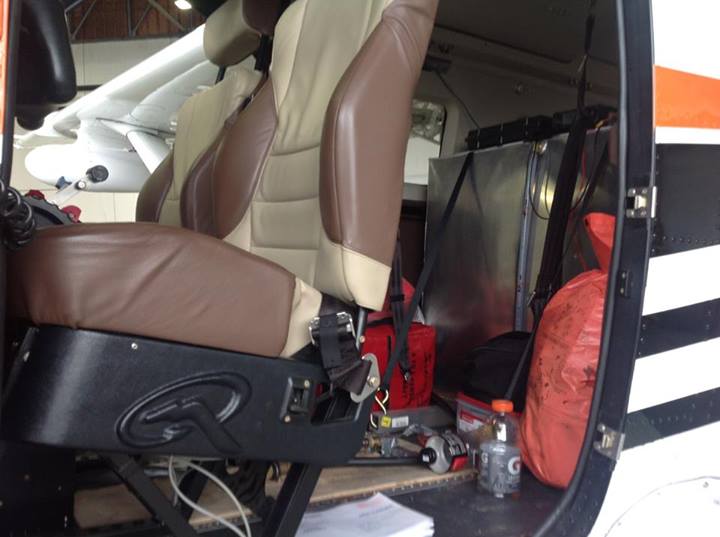
| Above and below. Emergency and survival equipment between the pilot seats and the ferry fuel tank. |
![]() |
| The internal ferry fuel tank |
![]() |
| The front! |
![]() |
| Loaded and fueled. Outside the hanger ready for the off |
Thank you.
Mercy Air team
Subscribe to:
Posts (Atom)